
Gimblett Gravels has become one of the most celebrated sub-regions of Hawke’s Bay in New Zealand. What brought this region up from drag racing to racy reds?
Hawke’s Bay is the oldest wine region in New Zealand, but the sub-region within it that is causing the most buzz is actually relatively new. The first vineyards were planted in Gimblett Gravels in 1981 and there wasn’t a commercial release focused on single-vineyard Gimblett Gravels wine until several years later. Today, however, there are over 800 hectares planted in this special sub-zone, with over a dozen award-winning wines and the clue to why these wines are unique is very much in the name.
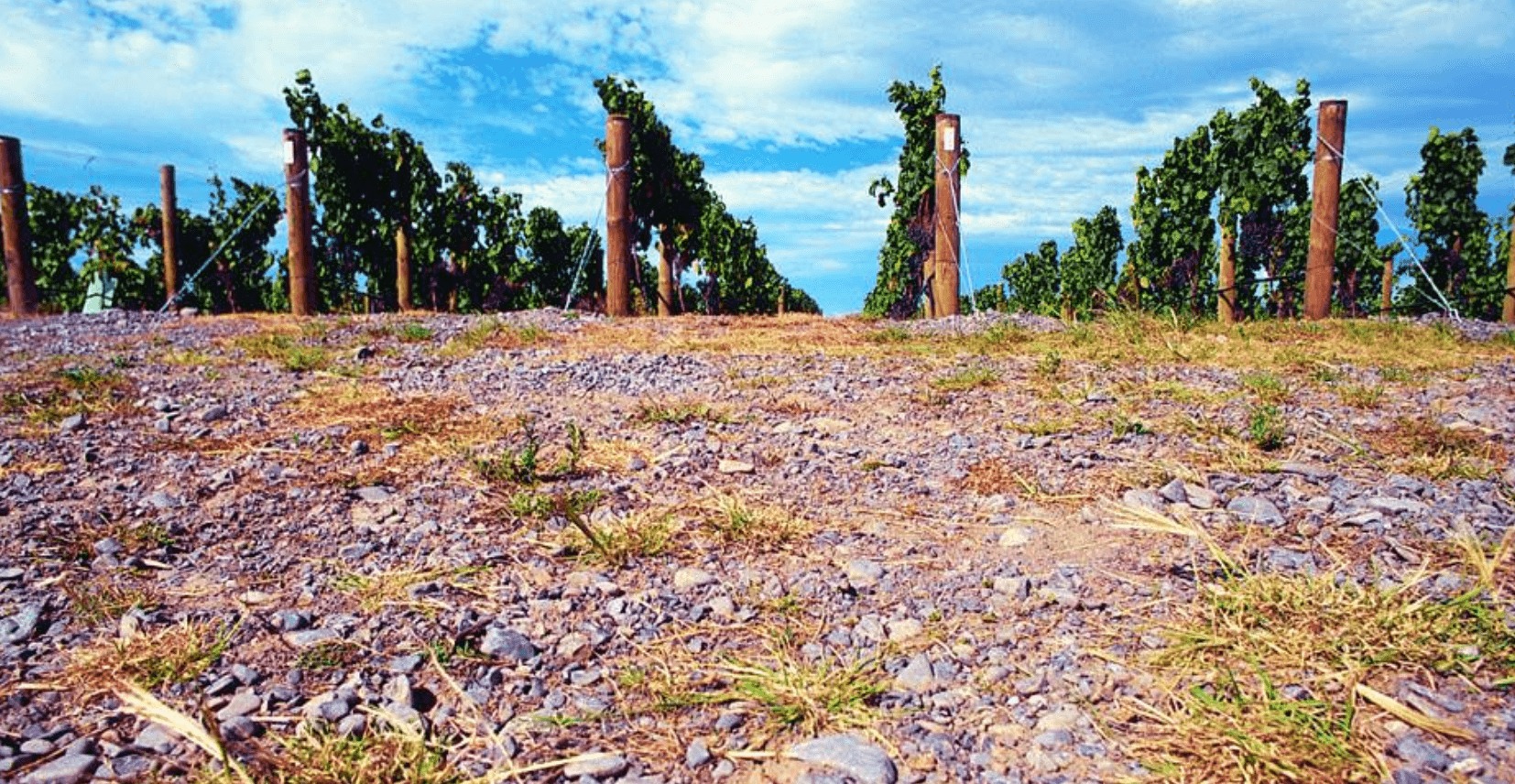
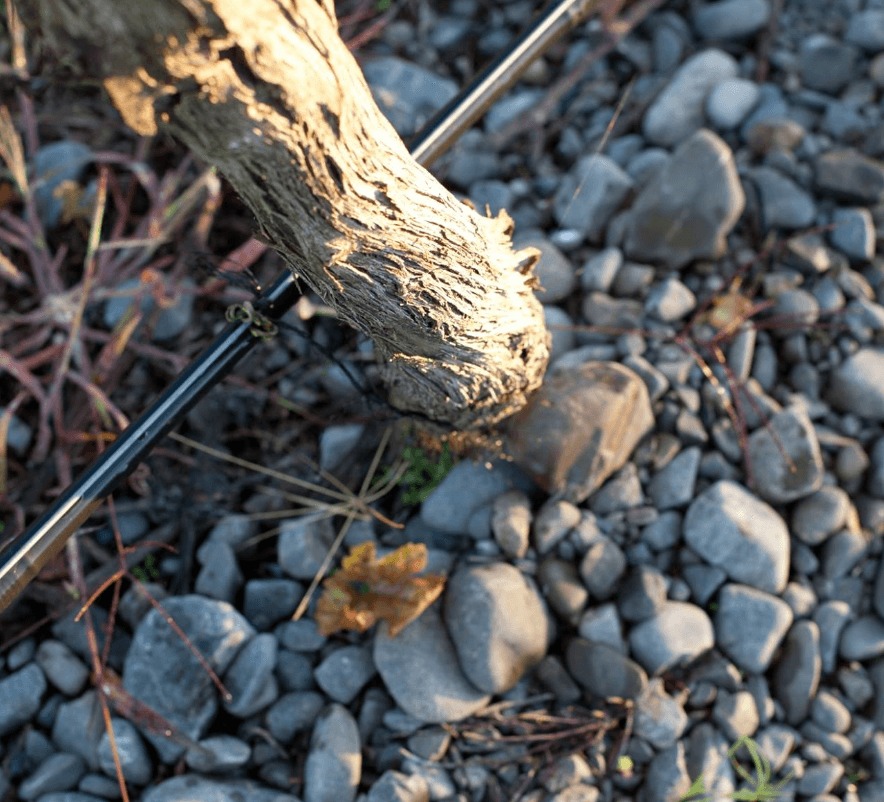
Gimblett Gravels is named after the a land owner in the area, Gimblett, and the gravel soil composition of the sub-region. The region is in fact a dried river bed and the gravel soils run up to 30 metres deep in certain areas, making it perhaps one of the poorest, best-draining soils in New Zealand. “It was originally known as a terrible farming area,” explains Matt Stafford, winemaker at Craggy Range, “while most soils in New Zealand are very fertile (and great for farming), this soil is really poor – people just called it bad farming land.”
Before any vineyards, Gimblett Gravels was actually used for quarries and cement-production. The warm weather and dry land also made it a popular spot for drag racing at the weekends. But that’s not all, there was a landfill and an army firing range in the area. Not the most glamorous beginnings for one of New Zealand’s most prized wine areas. But while gravel is good for both drag racing and cement-mixing, it is also particularly good for vine growing (think Graves in Bordeaux). Once the first commercial wines were released, this zone instantly became one of the most sought-after terroirs in New Zealand and vineyard plantings grew rapidly.
Gimblett Gravels: Ideal red wine territory
“This is one of the warmest parts of New Zealand, and the gravel retains even more heat – which is great for our cool climate here,” explains winemaker Warren Gibson, who has been making wine in Gimblett Gravels for 20 years with Trinity Hill.
@GGWA
The combination of free-draining and heat-retentive soils makes it New Zealand’s top spot for Bordeaux red grape varieties and Syrah, which struggle to ripen in most other wine regions across both islands. The deeply coloured, robust red wine varieties that Gimblett Gravels is known for is also what sets it apart in a sea of Sauvignon Blanc elsewhere. Just 10% of Gimblett Gravels’ production is white wine, the rest is mainly focused on Merlot, Syrah and Cabernet Sauvignon.
A purity of fruit expression with an intense colour, refreshing acidity and balance are almost a given in Gimblett Gravels red wines. The Syrah, in particular, has great vibrancy of fruit aromas with lively acidity and freshness. As the vines get older, the wines are beginning to show more complexity and structure – hinting at the promise of what’s to come for this young wine region.
Of course, the red wine tradition in Hawke’s Bay isn’t new and isn’t limited to Gimblett Gravels (Te Mata Estate, for example, has been making red Bordeaux varieties for 150 years in Hawke’s Bay). However, the hype around Gimblett Gravels is more than just excitement about a new kid on the block.
This is one of the few appellations in New Zealand that has been defined by soil type and geology – a distinction which the Gimblett Gravels Winegrowers’ Association, formed in 2001, is keen to protect. Any wine with Gimblett Gravels on the label must have at least 95% of their fruit coming from the defined zone, based on gravel soils.
That importance of provenance and evidence of that provenance in the glass set Gimblett Gravels apart as one of the most cohesive appellations in the New World today.
Gimblett Gravels wine region guide: Fast Facts & Terroir Essentials
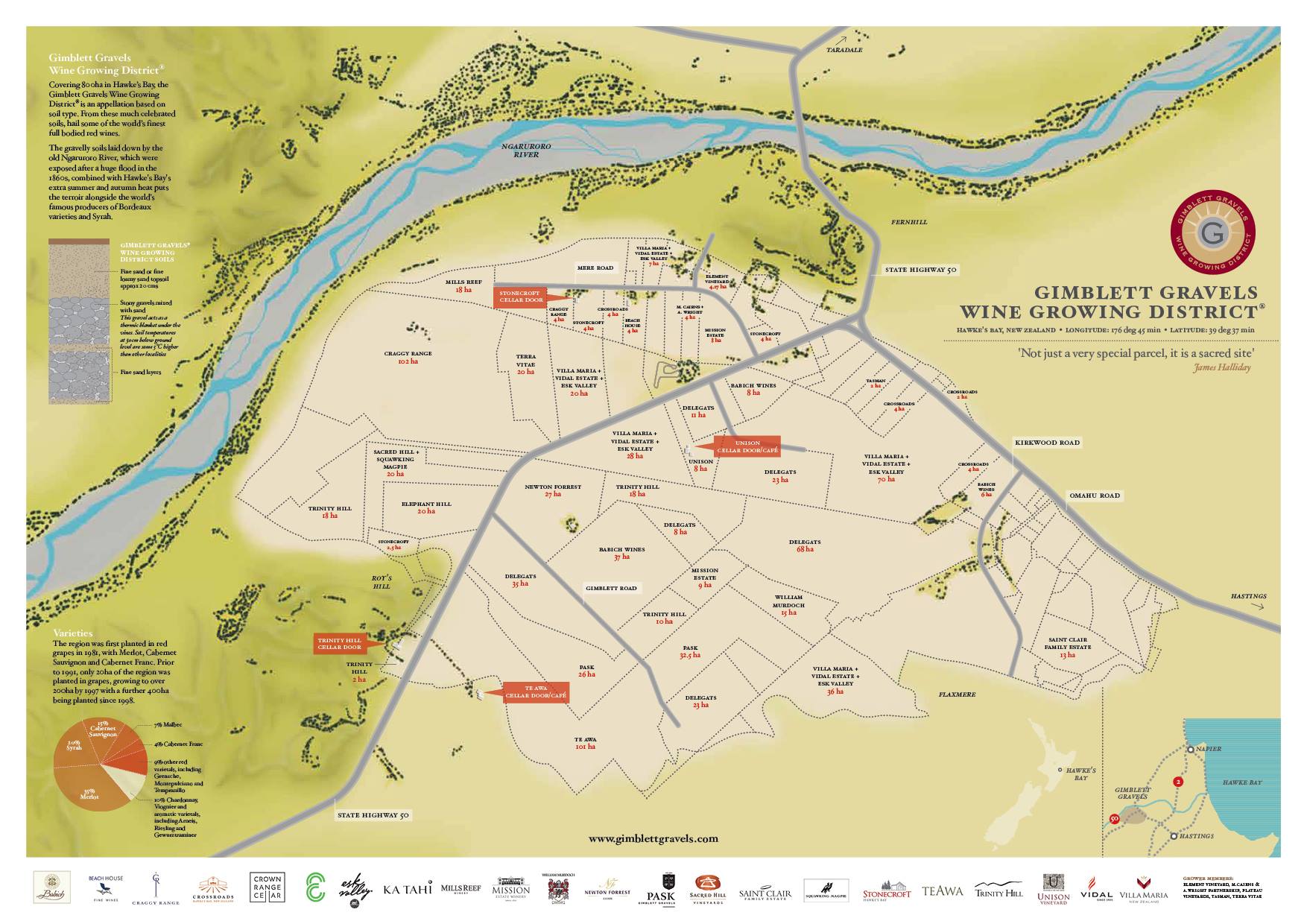
- Around 800 hectares planted
- Soil: Gravel beds with sand, silt and clay (of various depths and proportion). Topsoil is usually only 10 to 40cm.
- Climate: Temperate maritime
- Annual rainfall: 880mm (although some years there is drought)
- Irrigation is essential
- Altitude: 30 metres above sea level
- Distance from sea: Less than 10 miles
- Latitude: 39.6° S
- Longitude: 176.7° E
- Appellation rules: For ‘Gimblett Gravels’ to appear on the label, over 95% of the fruit must come from within the permitted zone.
Soil in Gimblett Gravels
A reasonably new viticultural area, the Gimblett Gravels is one of the few wine regions in New Zealand that is defined by its soil type (gravel). It is an old river bed that was exposed as the Ngaruroro River changed its course following a flood over 150 years ago. The poor soils require irrigation. However they also retain heat, allowing later-ripening red grape varieties to thrive.
Climate in Gimblett Gravels
Hawke’s Bay has a temperate maritime influence, like Bordeaux. However Gimblett Gravels is one of the warmest sub-regions of Hawke’s Bay and can be 2°C or 3°C warmer than wine regions closer toward the coast. In general the weather here is warm and dry during the summer, and Napier is in fact one of the sunniest cities on the North Island. In the summer, daytime temperatures average 19°C–24°C, although they can sometimes reach up to 30°C. Winters are mild (with 10°C–15°C during the daytime).
Main grape varieties in Gimblett Gravels
Gimblett Gravels is very much red wine territory, with over 90% of plantings dedicated to red grapes.
- 35% Merlot
- 20% Syrah
- 15% Cabernet Sauvignon
- 7% Malbec
- 4% Cabernet Franc
- 9% ‘Other Red’ varietals (including Grenache, Montepulciano and Tempranillo)
- 10% white wine varieties (mainly Chardonnay and Viognier)
Subscribers can also check out this video interview with Elephant Hill winemaker Steve Skinner on making wines in Hawke’s Bay and in Gimblett Gravels.
Discover other New Zealand wine regions:
